In this blog post, we’ll delve into the fascinating world of retail transaction analysis, where we uncover hidden patterns in customer buying behaviors. This project, available on Github, utilizes association rule mining techniques to extract valuable insights from real-world data. Link to my project on GitHub: https://github.com/Taiducphan1234/Retail-Transactions-Analysis-and-Association-Pattern-Rule-Mining
Unearthing Buying Habits
Our primary goal was to identify frequently purchased items together (frequent itemsets) and understand overall customer purchasing patterns. We achieved this by employing association rule mining, a powerful technique that discovers relationships between different items in a customer’s basket.
The Datasets: A Glimpse into Customer Baskets
For our analysis, we leveraged two datasets:
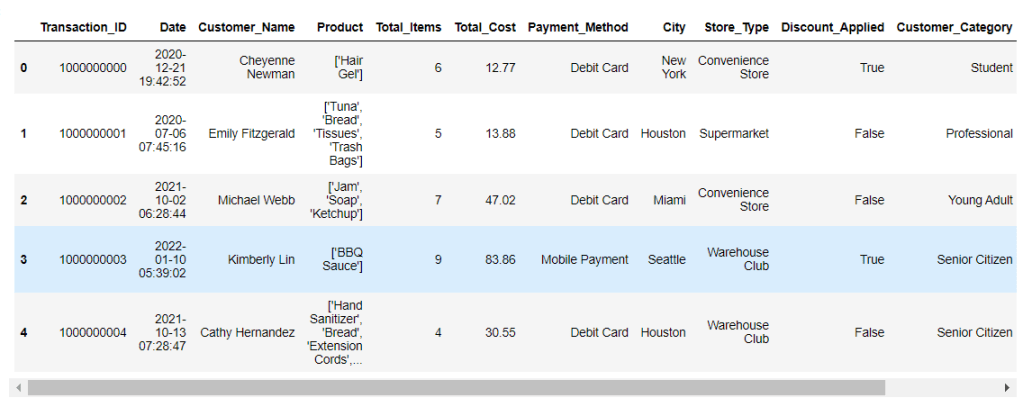
- Synthetic Retail Transactions Dataset: This simulated dataset provided a controlled environment to experiment with various algorithms and compare their performance.
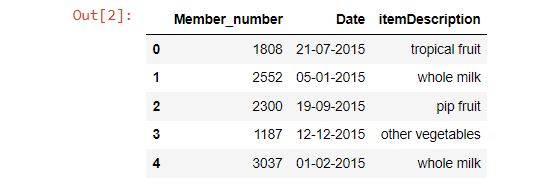
- Groceries Purchase Dataset: This real-world dataset, containing actual customer purchases, allowed us to evaluate the effectiveness of the discovered rules in a more practical setting.
The Algorithm Arsenal: Unveiling Frequent Itemsets
To crack the code of customer buying patterns, we employed a trio of association rule mining algorithms:
- Apriori: A classic and well-established algorithm for frequent itemset mining.
- FP-Growth: A more efficient alternative to Apriori, particularly for dealing with large datasets.
- Enumeration Tree: A less commonly used but potentially efficient approach for frequent pattern discovery.
Data Visualization: Making the Invisible Visible
To effectively communicate the patterns and trends unearthed from the data, we utilized the following data visualization libraries:
- Plotly: An interactive library for creating visually appealing and informative graphs.
- Matplotlib: A fundamental library for generating a wide variety of plots.
- Seaborn: A library built on top of Matplotlib that offers a high-level interface for creating statistical graphics.
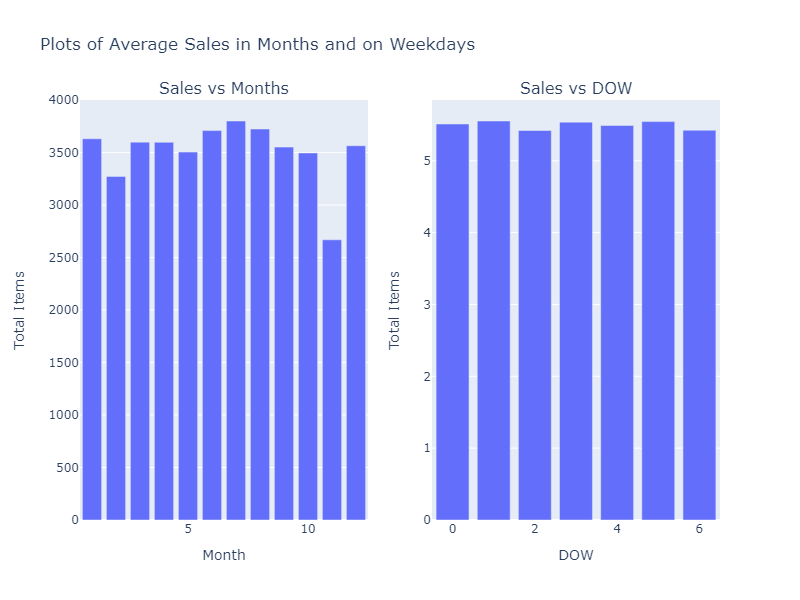
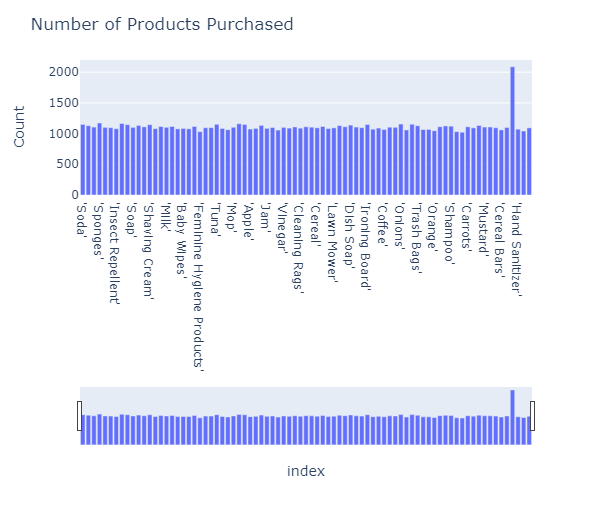
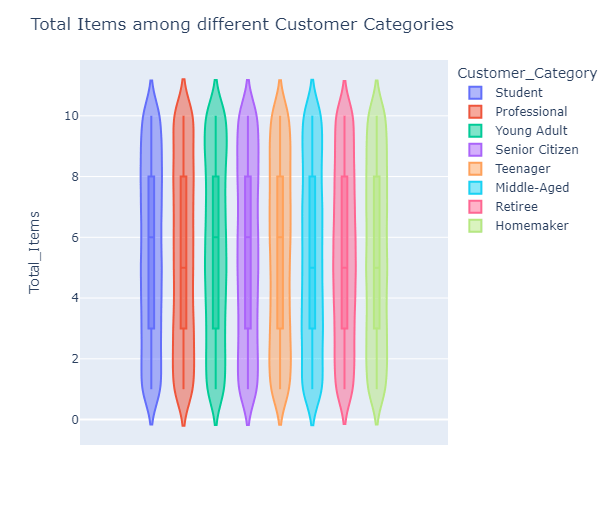
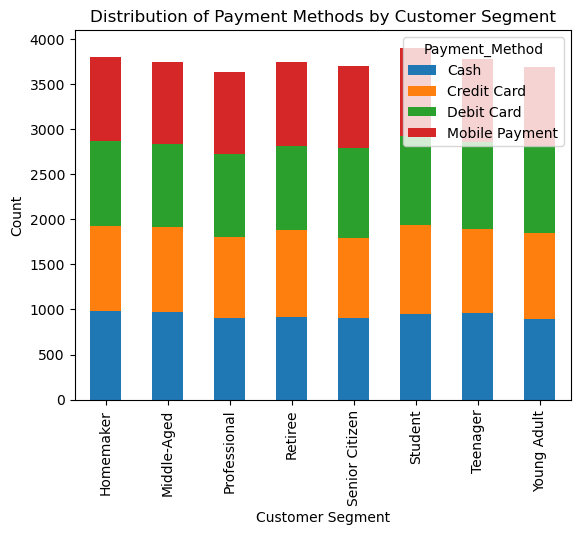
A Deeper Look: Beyond the Surface
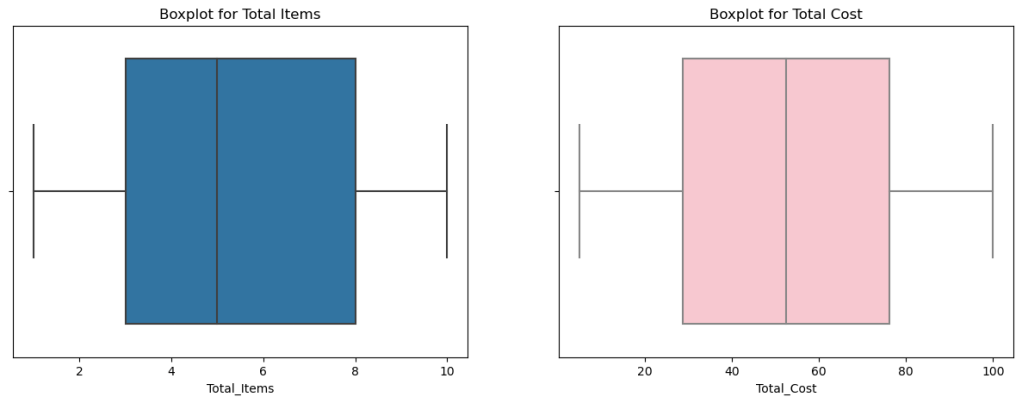
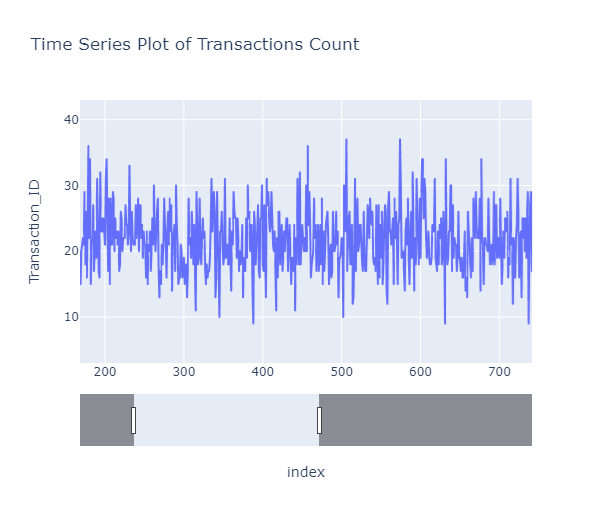
Before diving into the world of association rule mining, we conducted a thorough exploratory analysis of both datasets. This initial phase aimed to:
- Gain a comprehensive understanding of the data’s characteristics.
- Identify any potential issues or inconsistencies.
- Extract insights into customer buying behavior through techniques like data summarization and visualizations.
A Treasure Trove of Findings
This project yielded a rich harvest of results, including:
- Exploratory Data Analysis: We unraveled the underlying structure of the datasets, uncovering trends and patterns in customer purchases.
- Frequent Itemset Mining: We identified frequently bought together items in both the synthetic and real-world datasets. (Consider including an image here showcasing some of the discovered frequent itemsets)
- Evaluation of Discovered Rules: We assessed the effectiveness of the discovered patterns using metrics like lift and support on the groceries purchase dataset.
- Algorithmic Performance Comparison: We compared the efficiency and effectiveness of the different association rule mining algorithms employed.
The Road Ahead: Further Exploration
This project lays a strong foundation for further exploration in the realm of retail transaction analysis and customer behavior. Here are some exciting possibilities for future endeavors:
- Delving deeper into more sophisticated association rule mining algorithms for potentially even richer insights.
- Implementing innovative techniques to visualize the discovered patterns in even greater detail, allowing for a more intuitive understanding of customer behavior.
- Integrating the findings from this project into a real-world recommendation system, enabling retailers to personalize product suggestions for their customers.
By leveraging the power of association rule mining and data analysis, we can unlock valuable insights into customer behavior, ultimately leading to more informed business decisions and enhanced customer experiences.
Get Involved!
Head over to the project’s Github repository to explore the code, delve deeper into the analysis, and I am so delighted to receive any feedback and recommendations on renovations.


 Tai Duc Phan Portfolio